

Methane is a powerful greenhouse gas at the center of new rules and initiatives proposed at a major U.N. climate summit in Glasgow, Scotland.
While carbon dioxide is more abundant and longer-lived, methane – the main component of natural gas – is far more effective at trapping heat while it lasts. Over the first two decades after its release, methane is more than 80 times more potent than carbon dioxide in terms of warming the climate system.
Stanford-led research shows global emissions of methane from human activities have barreled upward in recent decades, with fossil fuel sources and agriculture powering the climb. Other studies have shown how how to improve estimates of methane leaking from oil and gas operations, outlined a process for converting the gas into carbon dioxide, and highlighted the climate impact of oilfields that routinely burn, or flare, natural gas.
This collection features recent research and insights from Stanford experts on methane emissions and climate change.

Removing methane from the atmosphere
Analyses lay out a blueprint for speeding development of methane removal technologies and modeling how the approach could improve human health and have an outsized effect on reducing future peak temperatures.
A better way to track methane in the skies?
August 9, 2021
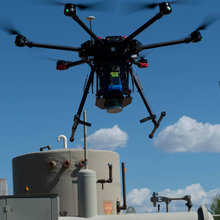
Several studies have found that the EPA underestimates the amount of methane leaking from U.S. oil and gas operations by as much as half. A new Stanford-led study shows how better data can lead to more accurate estimates and points to some of the causes of the EPA’s undercount.

Global methane emissions soar to record high

The pandemic has tugged carbon emissions down, temporarily. But levels of the powerful heat-trapping gas methane continue to climb, dragging the world further away from a path that skirts the worst effects of global warming.


Methane from food production could be wildcard in combating climate change

Study of abandoned oil and gas wells reveals new ways of identifying and fixing the worst methane emitters
Media Contacts
Josie Garthwaite
School of Earth, Energy & Environmental Sciences
(650) 497-0947; josieg@stanford.edu
Mark Golden
Precourt Institute for Energy
(650) 724-1629, mark.golden@stanford.edu
Rob Jordan
Stanford Woods Institute for the Environment
(650) 721-1881, rjordan@stanford.edu
